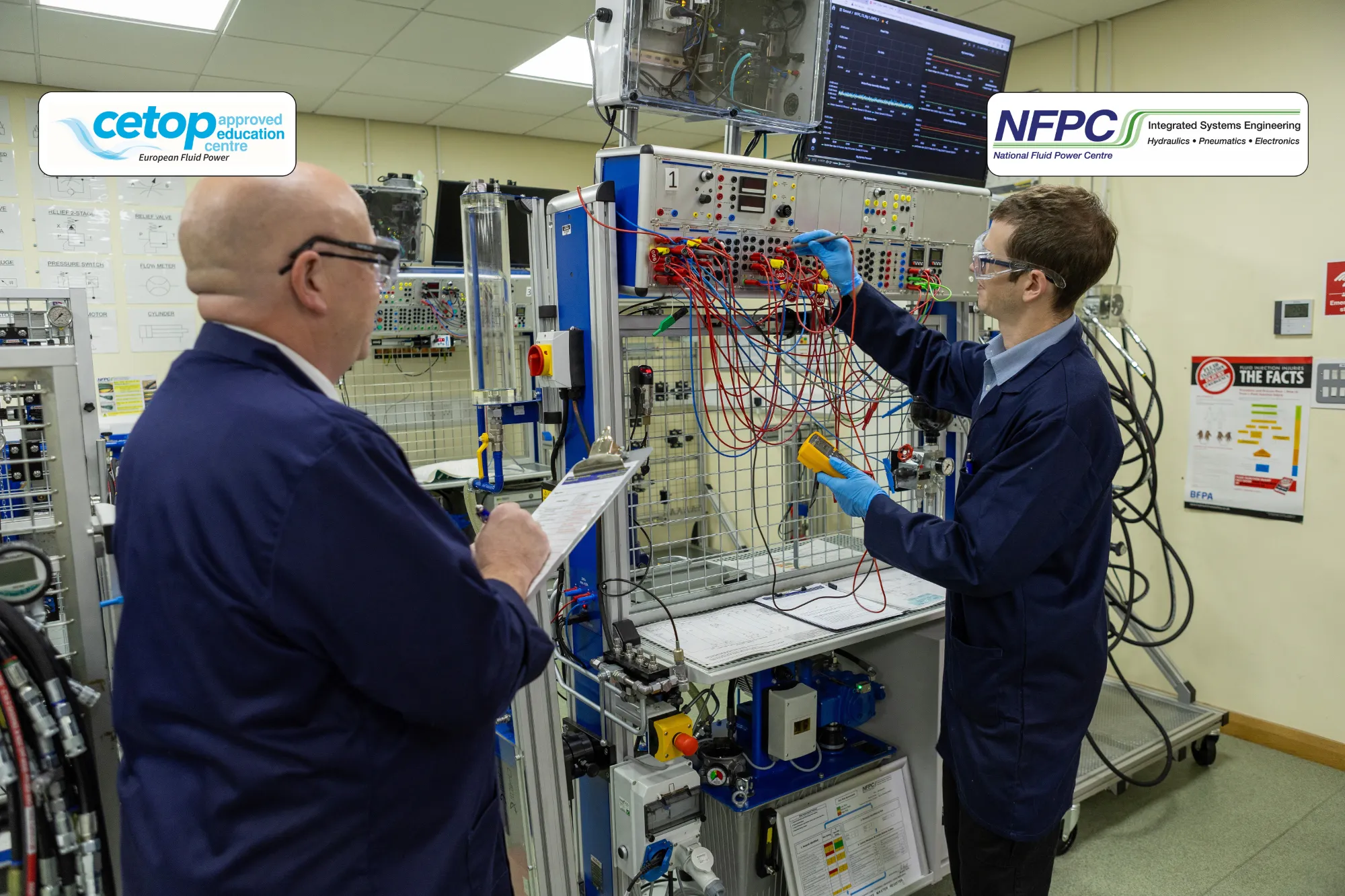
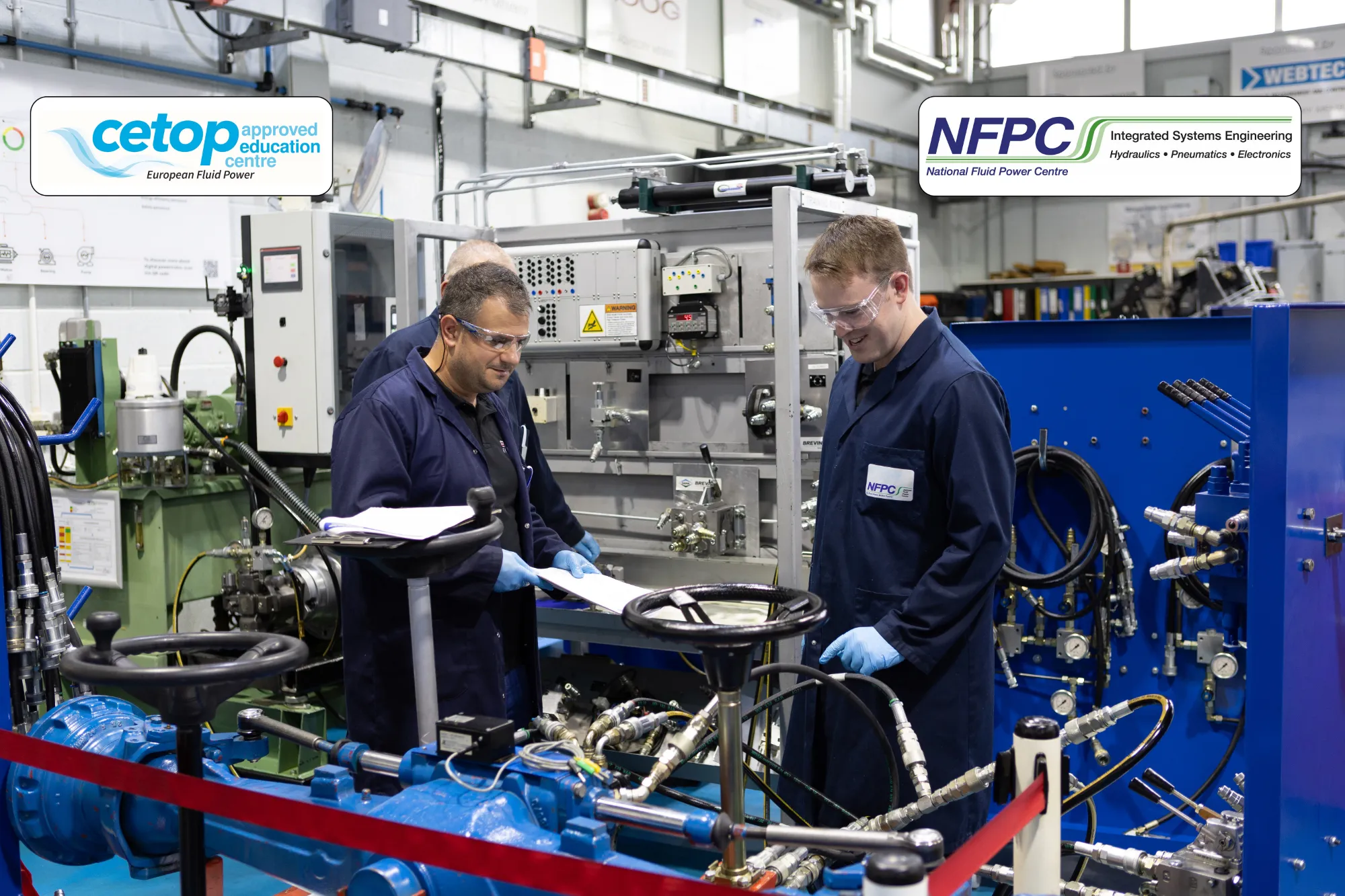
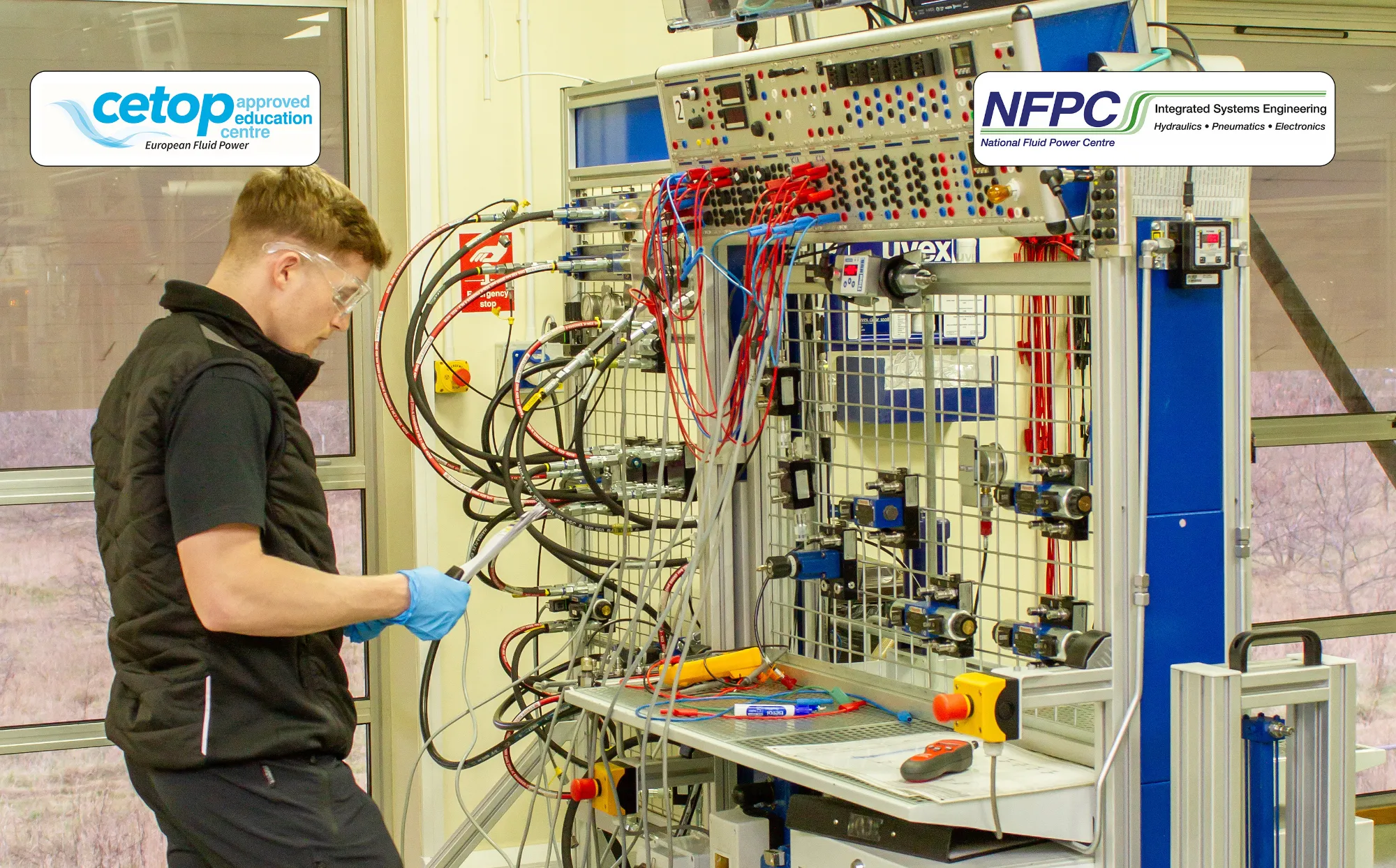
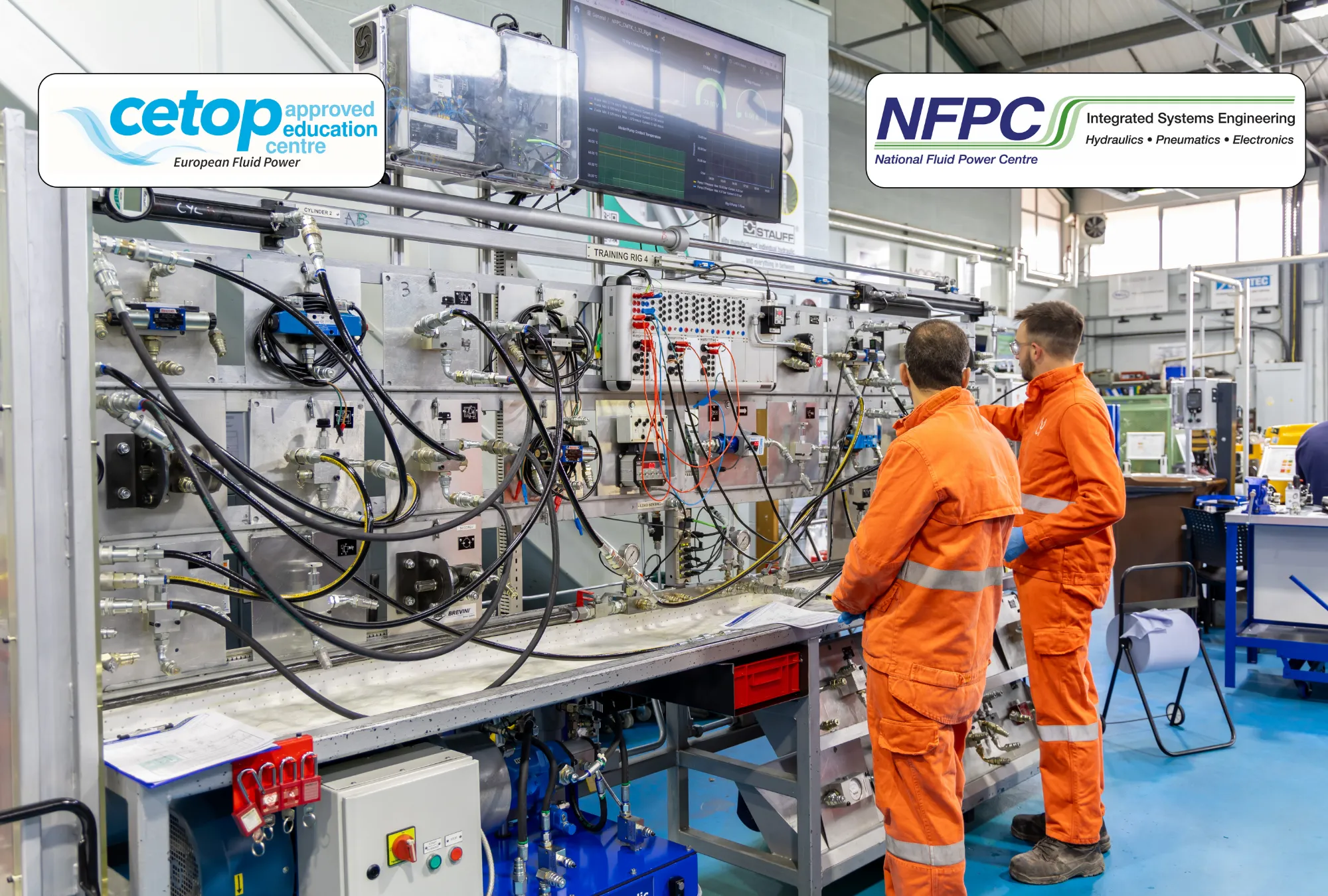
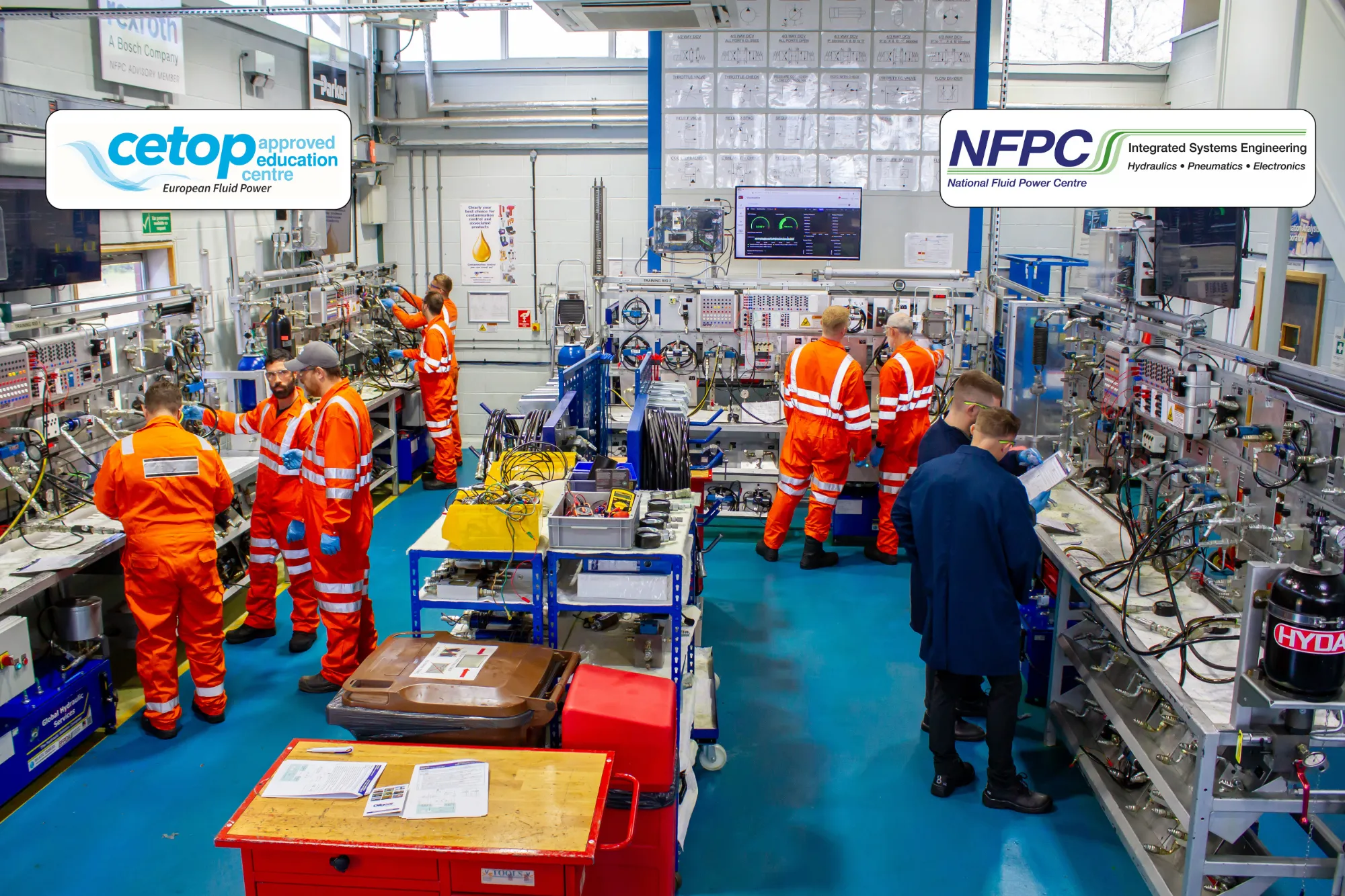
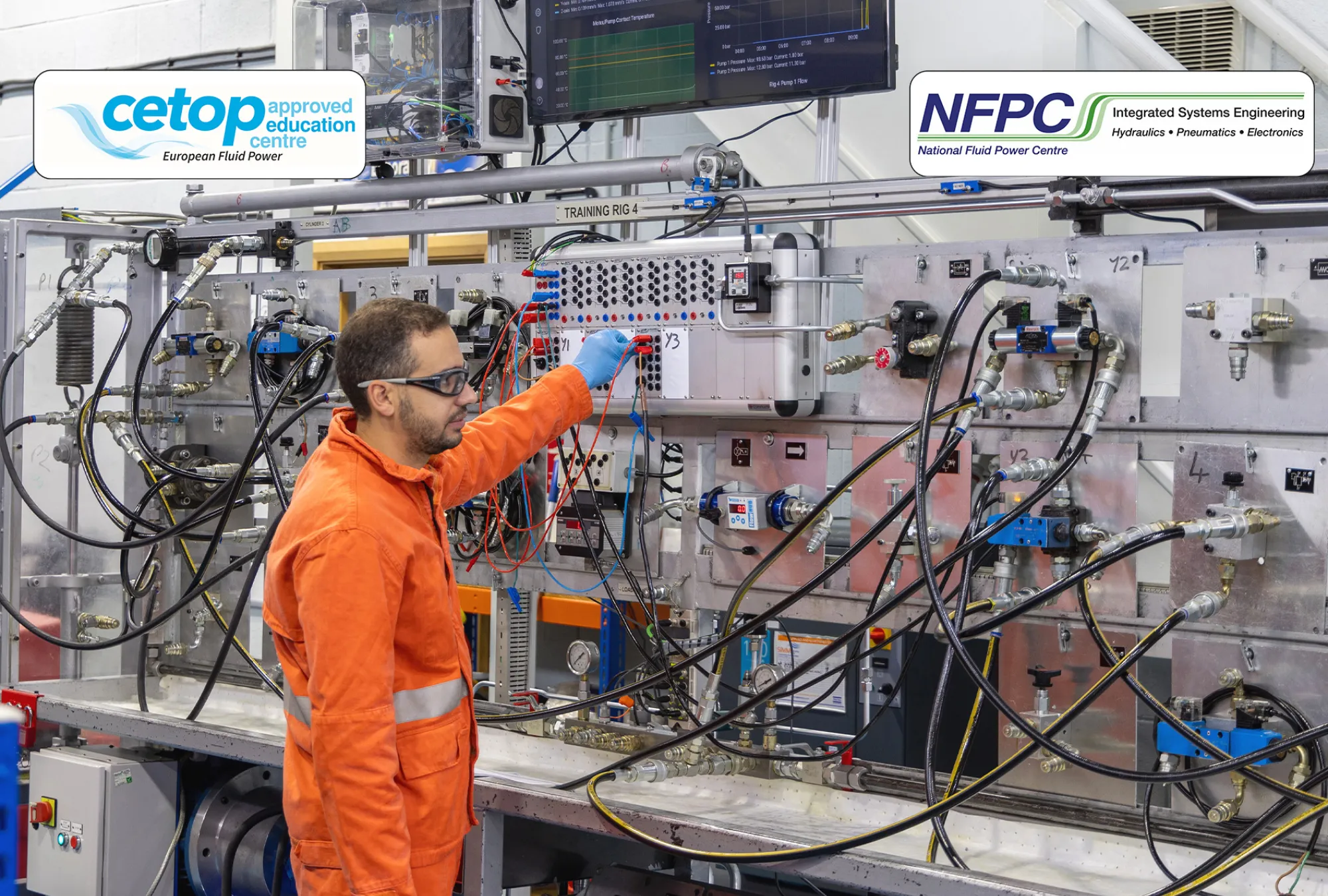
Joint Seminar at the National Fluid Power Centre S81 7AE
Planned Date: 4th November 2026
“Basic requirements to better Manage and Maintain Plant involving the use of Hydraulics”
Target Audience: Advanced Apprentices, Craftsmen, Technicians, Site Managers
Itinerary
9:30am Arrival- Registration and refreshments
10.00am Welcome introductions and presentations
Mike Philips CEO (BAA)
Roy Bush Health & Safety Director (BAA)
John R Savage, NFPC Managing Director & Staff
10:15 to 12:15– How to better Manage and Maintain Hydraulic Systems
12:15- 13:00 Buffet Lunch
13:00 -13:30 Visit around the NFPC
13:30 – 15.00– The application of Knowledge and Skills leading to Competency
Synopsis: We aim to increase your knowledge and understanding of how hydraulic systems are
constructed and how they safely and effectively transmit power to carry out specific tasks, together with an overview of the functionality of the component parts.
We will answer the following questions:
What are the primary causes of failure in hydraulic systems, and how can they be prevented?
What procedures must I follow when working on hydraulic systems?
Where do the dangers exist within hydraulic systems, and how do I mitigate any risks?
For a working machine employing hydraulics, how do I know when the performance is changing, and what are the key symptoms?
If a system employs hydraulic accumulators, what should I do before carrying out a maintenance activity?
Joint Seminar at the National Fluid Power Centre S81 7AE
Planned Date: 4th November 2026
Proposed Seminar at the National Fluid Power Centre at Worksop in Nottinghamshire S81 7AE
Planned Date 4th November 2026
Times 9:30am- 3:30pm
Invites-BAA Members – Those involved and responsible for developing/implementing and carrying out
regular/daily inspections of Engineering plant both mobile and static –DOING THINGS RIGHT AT SITE LEVEL
We plan to take a basic approach and concentrating on why HYDRAULIC SYSTEMS and COMPONENTS
fail resulting in downtime and contrary to safety and safe working practices.
We will cover: ( How to better Manage and Maintain Hydraulic Systems)
Causes of Hydraulic Hose failure considerations specification/effective assembly/ correct
installation and routing/ effective hose management scheme/Trained Staff
How to inspect Hydraulic Hoses and recognise potential faults and actions to be taken.
Contamination ingression is still a major cause of system failures. What are contaminants and
how do they get into the Hydraulic System and how can we reduce ingression and control it
within the system “Dos and Don’ts” Practical measures to be taken in site.
Effects of Fluid leakage, actions to be taken and reported
Risk Elements- Oil injection, effects and actions to be taken
Awareness of dangers when working on heavy plant, procedures to be followed to mitigate RISKS
The importance of a “RISK ASSSESSMENT” and understanding its context and actions to be taken/
followed when working on or around plant of any kind employing Hydraulics.
WE WILL ALSO DISCUSS COMPETENCE- How Competent are YOU?
Have you had any formal training relating to Hydraulic Systems and Control improving
your knowledge and appropriate skills?
Many system failures and accidents can be attributed to the actions of untrained maintenance
Staff- “willing to have a go”- Under time pressures, Lacking Procedural thinking and need to
be effectively trained.
BUT WE MUST CONSIDER THE NEXT MAJOR STEP.
Ideally you must be deemed Competent and have in place the evidence to prove that you
have been formally assessed aligned to specific to your work-based roles.